
A Guide for Water Gate Valve
Introduction
Water gate valves play a crucial role in the engineering world, controlling fluid flow for various systems. They are essential for smooth operation of simple and complex piping system. This guide will explore the different types of valves, their functions, advantages and disadvantages, and their applications in civil engineering and mechanical engineering.
Define Water Gate Valves and Their Significance in Engineering
Water gate valves are devices used to start or stop the flow of water in pipelines. By lowering or raising a gate, these valves allow for precise control over fluid flow, making them indispensable in many engineering applications. They are used in many engineering applications because of their robust design and reliable performance.
Table of Contents
Types of Water Gate Valves
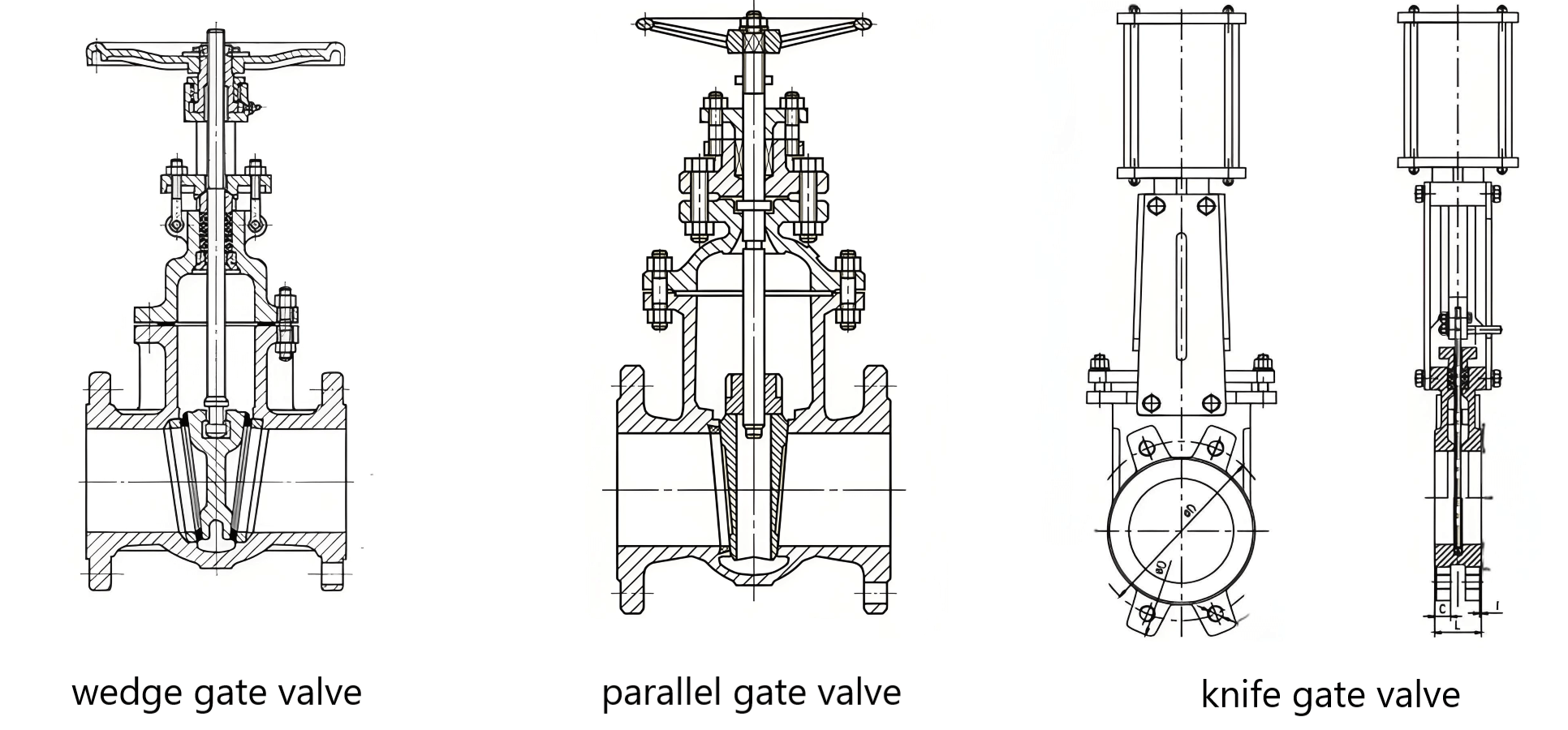
Different Types Such as Wedge, Parallel, and Knife Gate Valves
Understanding the types of water gate valves is crucial for engineers tasked with selecting the appropriate valve for specific applications. Each type has unique features that make them ideal for different environments and tasks:
Wedge Gate Valves: These have a solid wedge-shaped gate that offers a tight seal, ideal for high-pressure applications.
Parallel Gate Valves: These valves feature a flat-gate between two parallel seats and are ideal for low pressure environments.
Knife Gate Valves: These valves are designed with a razor-sharp edge that allows them to cut through solids in fluids. They're perfect for wastewater applications and slurry.
Structural Differences Among Various Types
The structural differences among these valves lie in the shape and movement of the gate:
Wedge Gate Valves: The wedge-shaped gate moves up and down, sealing against inclined seats.
Parallel Gate Valves: The gate slides between two parallel seats, providing a straightforward open or close function.
Knife Gate Valves: The sharp gate cuts through the medium, ensuring minimal flow resistance and preventing clogging.
Highlight Typical Use Cases for Each Type
Wedge Gate Valves: High-pressure water systems, oil and gas pipelines.
Parallel Gate Valves: Low-pressure systems, where a simple on/off control is needed.
Knife Gate Valves: Wastewater treatment plants, pulp and paper industries.
Key Functions of Water Gate Valves
Primary Function of Isolating Fluid Flow
Engineers use these devices to completely stop or allow the passage of liquids, providing tight shut-off capabilities. Unlike other valves, gate valves operate by raising or lowering a wedge-shaped gate into and out of the path of the fluid, ensuring minimal resistance when fully opened and preventing leakage when closed. This binary operation—fully open or fully closed—is essential for applications requiring full isolation rather than partial flow control.
Secondary Functions Like Throttling and Regulating Pressure
Although not designed to do so, some types of valves like knife gate vales can be adjusted incrementally in order to modulate fluid flows during non-critical operations. Engineers can maintain stability and manage system pressures by partially opening the valve. If the valves are used frequently for throttling, they may wear out faster. Another type of valve might be better if constant adjustments are needed.
Role in Emergency Situations for System Safety
They provide rapid isolation capabilities critical during pipe bursts, significant leaks, or fire scenarios where closing off sections swiftly can minimize damage and risk. For instance, in municipal water supply systems, strategically placed gate valves allow operators to isolate segments quickly during repairs without disrupting service across broader areas. This reliability in emergencies underscores their importance in designing safe and resilient engineering systems.
Advantages of Using Water Gate Valves
Reliability and Long Service Life Due to Robust Construction
The robust design of water gate valves is a major factor in their long-lasting reliability. These valves are typically made of durable materials such as stainless steel, bronze, ductile-iron, and ductile iron. They can withstand harsh conditions in industrial or municipal settings. A wedge gate valve in a water-treatment plant, for example, can be used for many decades without showing signs of wear. Engineers who are looking for durable solutions to ensure consistency and dependability in fluid flow control systems will benefit greatly from this durability.
Ease to Operation and Low Maintenance Requirements
Water gate valves are characterized by their simplicity of use and low maintenance. These valves have a simple mechanical design that opens or closes by a rotating handwheel or a rising stem. This simplicity reduces the risk of failure by reducing the number of parts. This ease of use is crucial in civil engineering projects, such as urban water supply networks. It allows for quick responses to routine inspections and emergency interventions.
Cost-Effectiveness Over Time
Water gate valves are cost-effective over time because of their durability and low maintenance requirements. They may require a larger initial investment than other valves such as ball or butterfly valves. The longer lifespan and less frequent maintenance makes them more cost-effective in the long term. Gate valves are a good option for infrastructure projects that involve extensive pipeline systems. They will outperform other alternatives which require frequent inspections and parts replacements.
Disadvantages of Water Gate Valves
Potential Water Hammer Effects
One of the potential issues with water gate valves is the water hammer effect. When these valves close quickly, changes in pressure can generate shock waves within the piping system. These shock waves can damage pipes and other components, leading to costly repairs or replacements. Engineers should design systems with appropriate damping mechanisms to mitigate this risk.
Corrosion Susceptibility in certain Environments
Gate valves can be made of metals such as cast iron, stainless-steel, or brass. These materials can degrade in certain environments. This is especially true if the fluids are corrosive. The valve life can be extended by using corrosion-resistant materials and protective coatings, but the initial cost may increase.
Limitations on High-Cycle Operations or Frequent Adjustments
Gate valves were designed for modulation, not for high-cycle operation or frequent adjustments. Frequent opening and shutting can wear out the stem and seating surfaces, decreasing efficiency and increasing maintenance requirements. Consider using control valves or globes that are designed for this purpose in applications that require regular flow adjustments. This will ensure a longer life span and greater reliability.
Selection Criteria for Water Gate Valves
Material Compatibility with Different Fluids
When selecting the right water gate valve, it is important to consider how different materials react with various fluids. Brass, stainless steel and PVC are all materials that offer different levels of corrosion resistance and chemical interaction. In applications that involve acidic or neutral solutions, stainless steel valves may be preferred due to their superior resistance. Brass valves are often preferred for systems that use potable water due to their corrosion resistance and compliance with drinking-water standards.
Size and Pressure Ratings Essential for Specific Applications
The size and pressure rating of the valve are also important factors to consider when selecting a valve. The valve's nominal diameter (DN), which is the size of the pipe it will be connected to, should be determined by the engineer. To prevent valve failures, the valves must be able to withstand maximum pressure within the entire system. This is indicated by classes like PN (Pressure Nominal), or ANSI ratings. Selecting a valve that has an appropriate pressure rating is important in high-pressure situations, such as industrial pipelines. This ensures safety and efficiency.
Environmental Factors Influencing Valve Selection
The environment also has a major impact on the selection of valves. Material integrity can be affected by temperature fluctuations. Materials must therefore remain durable in extreme conditions, such as cryogenic temperatures and high heat for steam applications. In addition, valves that are resistant to oxidative materials will be required in corrosive environments such as those found in wastewater treatment facilities. Engineers can ensure that water gate valves will perform optimally and with long-term reliability by carefully assessing the variables.
Application in Civil Engineering Projects
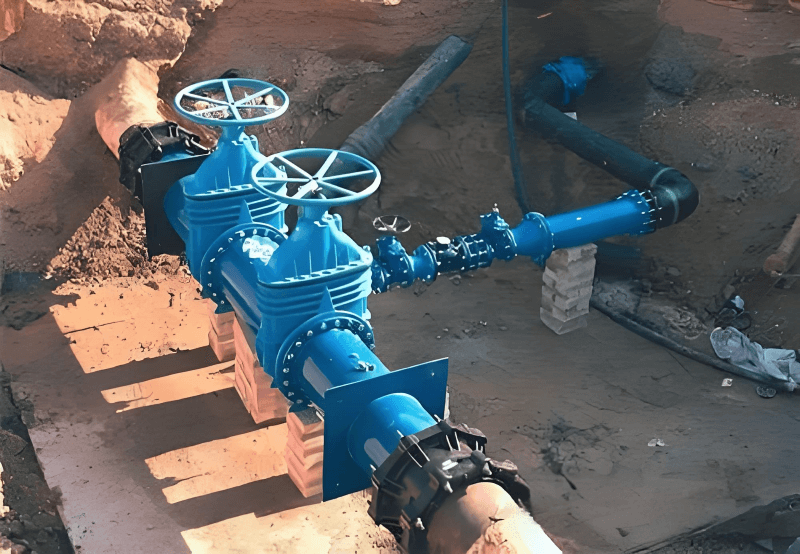
Municipal Water Supply Systems and Wastewater Treatment Plants
Water gate valves are widely used by engineers in municipal water systems. These valves regulate the flow of water in pipelines to ensure efficient distribution throughout urban areas. Gate valves are used to manage the main pipelines during emergency or maintenance repairs in a city's water system. This minimizes service interruptions for consumers. Water gate valves are also used in wastewater treatment plants to regulate and isolate different stages of the treatment process. These facilities require reliable shut-off devices to maintain operational stability. Operators use knife gate valves to manage sludge, for example, because they can cut through solid contaminants quickly.
Large-Scale Infrastructure Projects
To handle large volumes of water, dams and canals are huge infrastructure projects that rely on gate valves. Engineers use these valves in dams to regulate reservoir level and control floodgates, ensuring safety and efficiency. Parallel-slide valves are used in canal systems to provide precise water management for navigation locks and irrigation channels. They can also be used for hydroelectric power generation. Gate valves are used in a wide range of civil engineering projects around the world.
Application in Mechanical Engineering Systems
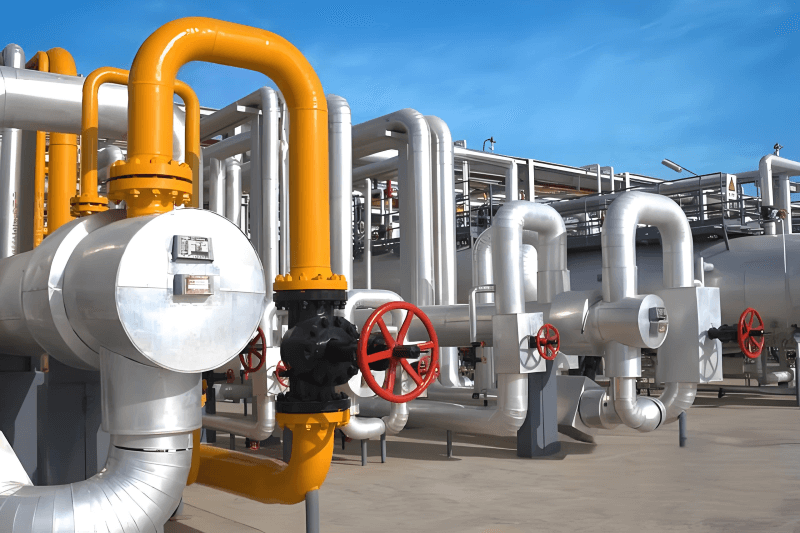
Integration Within Industrial Piping Systems Emphasizing Reliable Shut-Off Mechanisms
Water gate valves are critical components in industrial piping systems. They are primarily used to provide reliable shut-off mechanisms for controlling the flow of liquids. In oil refineries, for example, parallel or wedge gate valves can be used to ensure a tight and secure closure when handling volatile fluids. These valves are built to withstand pressure and temperatures, and their robust design makes them essential for maintaining safety and efficiency.
Application Within HVAC Systems Focusing on Process Control
Gate valves are also essential in HVAC systems (Heating Ventilation and Air Conditioning). The temperature of buildings is maintained by these systems, which rely on the precise control of fluid flow. Knife-gate valves are often used here because they can handle fluids that contain suspended solids or slurries. These valves ensure smooth operation with minimal leakage. This allows HVAC systems to run efficiently and reduce energy consumption and maintenance.
Future Trends in Water Gate Valve Technology
Enhancing Durability Through Advanced Materials
The use of advanced materials to enhance durability is on the rise. The development of metal alloys and composite materials with superior corrosion resistance is improving valve longevity. Engineers are working to create valves that will not degrade when exposed to aggressive chemicals or extreme temperatures. The transition from metals to composites with high performance promises less downtime and fewer replacements. This will boost overall system efficiency.
Emerging Smart Valve Technologies Incorporating IoT
Another significant advance is the emergence of smart valve technologies that incorporate IoT. These intelligent gate vales enable real-time monitoring via connected devices and provide immediate feedback on performance metrics like pressure, temperature and flow rate. These smart solutions allow for more accurate maintenance and faster response times in the event of operational anomalies. Smart gate valves are used in automated flood control systems to better manage water levels than can be achieved by manual oversight.
Achieving Higher Efficiency Standards
The development of new technologies aimed at achieving higher standards for efficiency is also gaining momentum. Engineers focus on reducing the fluid resistance inside the valve in order to maximize flow rates and minimize energy consumption. Designing valves with smoother internal contours, optimized geometries, and improved surfaces can reduce friction loss. A new trend is to use renewable energy sources for valve actuators. This provides a sustainable solution in large-scale applications.
Conclusion
Water gate valves play a vital role in civil and mechanical engineering. It is important to make informed decisions by understanding their types, functions and advantages, as well as the selection criteria. It is important to take into account specific project requirements such as material compatibility and size, pressure ratings and environmental factors when selecting the right valve. This will ensure maximum performance and durability. Future research and technology advancements should be focused on improving durability, integrating intelligent technologies, and improving efficiency, to ensure that water gate valves are vital in engineering applications.